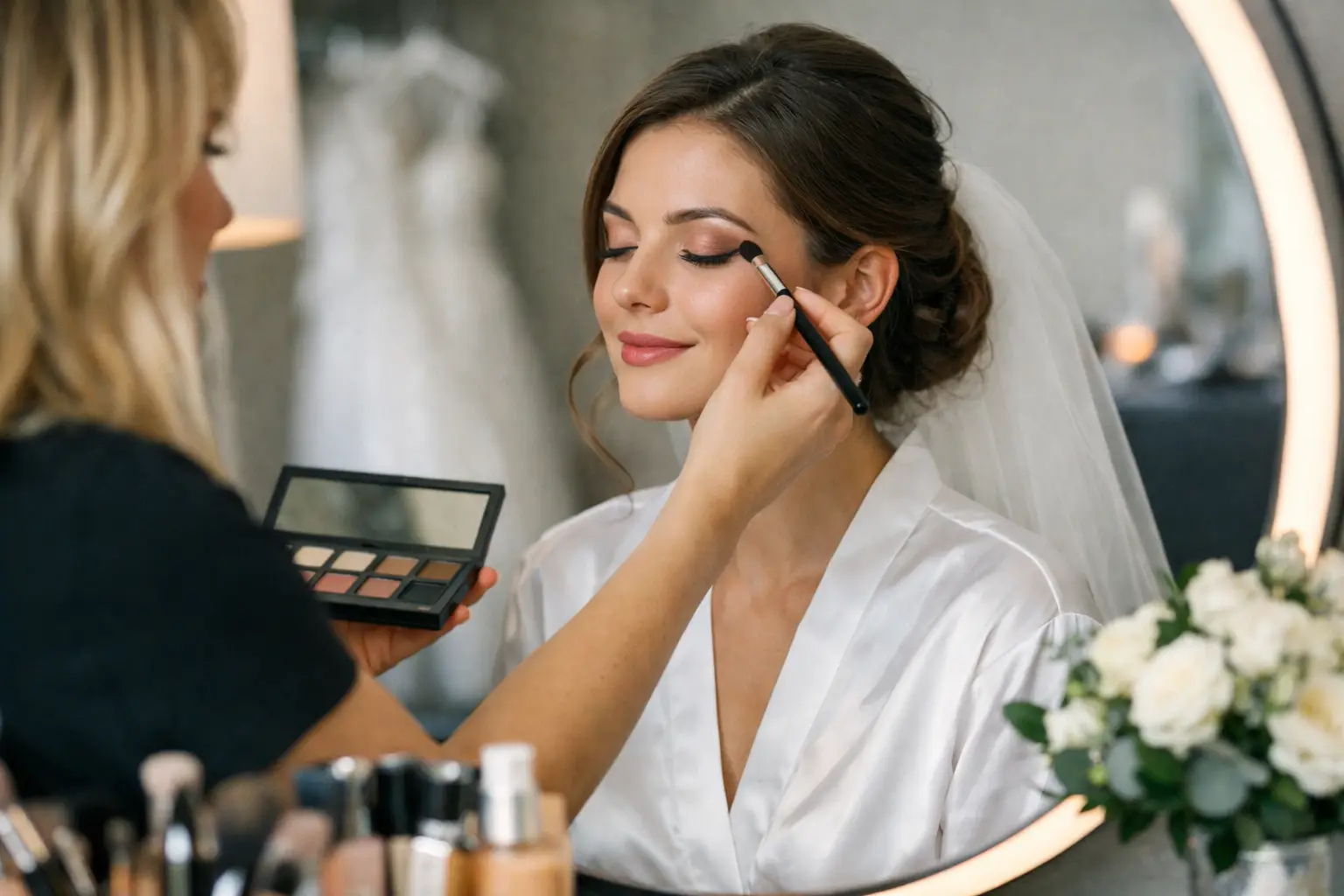
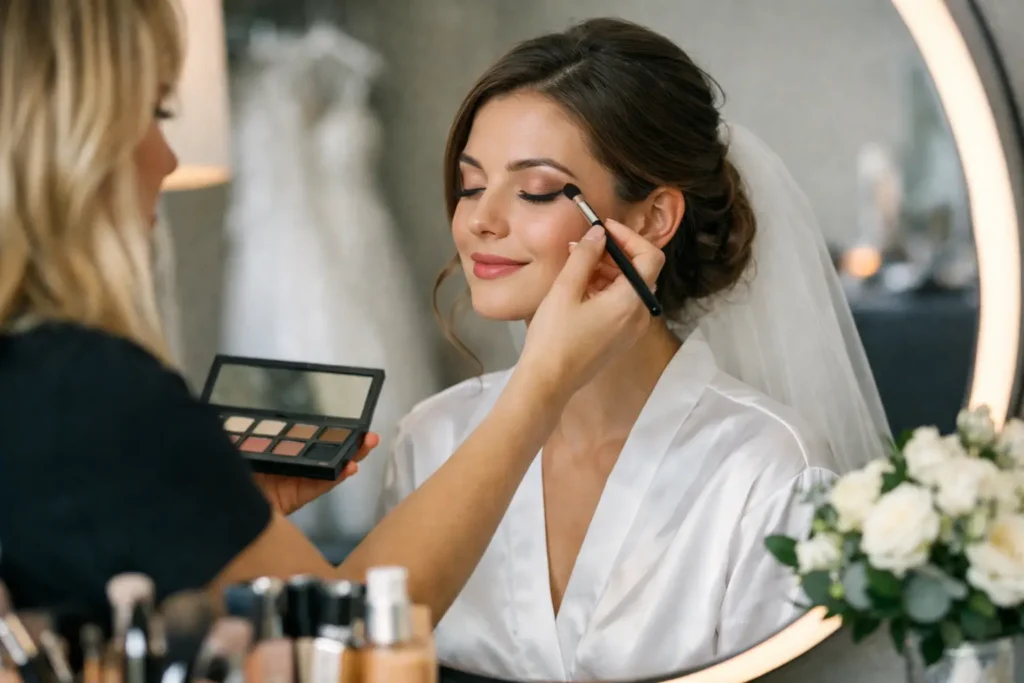
You can tell when a bride skipped the trial because wedding morning starts with questions that should have been settled weeks ago. Is the foundation too matte? Will the lashes feel heavy by hour six? Does the lip color still feel like you? A bridal makeup trial before wedding day gives you space to answer those questions calmly, while there is still time to adjust.
For many brides, the trial is not about choosing between soft glam and natural makeup in the abstract. It is about seeing how your features, skin type, dress, hair, venue, and photography style come together on an actual face – yours. That is why a well-planned trial can make the entire beauty process feel more relaxed and much more personal.
Why a bridal makeup trial before wedding day matters
A makeup trial is part beauty planning and part peace of mind. It lets you step out of guesswork and into decisions based on what truly flatters you in real life, not just on a Pinterest board. That matters because bridal makeup has a demanding job. It needs to look polished in person, photograph beautifully in different light, and last through hugs, happy tears, dinner, and dancing.
There is also an emotional side to the trial that brides often underestimate. Wedding beauty is deeply personal. You want to feel elevated, but still recognizable. A trial gives you a safe place to say, “I want more definition,” or “This feels too heavy,” without the time pressure of the wedding schedule. Those small adjustments are often what turn a nice look into the right one.
If you are planning a mountain wedding in Western North Carolina, a trial can be even more useful. Weather, humidity, and travel logistics can all affect how makeup wears. An experienced bridal artist will think through those conditions before wedding day arrives.
What to bring to your bridal makeup trial before wedding appointment
Come prepared, but not overloaded. The goal is clarity, not a stack of screenshots with no common thread. A few images that reflect the makeup style you actually wear well are more helpful than twenty photos of different faces, lighting, and editing styles.
Bring inspiration photos, but also bring context. Your artist should know the color of your dress, the season, your ceremony time, and whether your celebration feels formal, romantic, modern, or relaxed. If you already know your hairstyle, that helps too, because makeup and hair should support each other rather than compete.
Wear a top in a color similar to your wedding-day neckline or tone if possible. If you have accessories, a veil, or jewelry that strongly influence the overall look, photos of those are usually enough. It is also smart to arrive with a clean, moisturized face and be ready to talk honestly about your skin. If you are sensitive, acne-prone, dry, or dealing with texture, that is not a problem. It is useful information.
How to know what look you actually want
Many brides say they want makeup that is natural but polished. That sounds simple, but it can mean very different things depending on the person. For one bride, it means sheer skin, brushed brows, and soft lashes. For another, it means a perfected complexion, sculpted eyes, and a defined lip that still feels timeless.
This is where a skilled artist becomes more than someone applying products. They help translate your preferences into specifics. Instead of aiming for a broad label, focus on details. Do you like skin that looks radiant or velvet-matte? Do you want your eyes to stand out more than your lips? Are you comfortable in strip lashes, or would you feel better with something lighter and softer?
It also helps to think about what you do not want. Some brides know immediately that they do not want heavy contour, a bright under-eye, or an overly trendy finish. Saying that clearly can save time and lead to a result that feels much more like you.
What happens during a good trial
A strong trial should feel collaborative, unrushed, and thoughtfully guided. Your artist will usually start with a consultation, ask about your wedding details, and assess your skin and comfort level with makeup. From there, they build the look in a way that lets you respond along the way rather than waiting until the end to speak up.
This matters because makeup can look different at each stage. Brows may seem strong before blush and lips are applied. Eyes may look softer once lashes are on. A calm, professional artist will explain that process and still welcome your feedback throughout.
By the end of the appointment, you should have a clear sense of the finished look, what products or techniques worked best, and whether anything needs fine-tuning. In many cases, the best trial is not the one with zero adjustments. It is the one where thoughtful adjustments lead to a more customized final plan.
What to test after the trial
Do not judge your trial only in the studio mirror. Wear the makeup for several hours. Step outside. Take photos in natural light, indoor light, and flash. Smile, talk, eat, and see how the makeup settles. Bridal makeup should wear beautifully over time, not just in the first thirty minutes.
Pay attention to comfort as much as appearance. If your lashes bother you, your lipstick feels too dry, or the foundation starts separating around your nose, those details are worth sharing. Your wedding-day makeup needs staying power, but it also needs to feel comfortable enough that you are not thinking about it all day.
If possible, schedule your trial on a day when you have plans, whether that is engagement photos, a dinner out, or even just errands. That gives you a better sense of how the look moves with your day and how confident you feel wearing it.
Common mistakes brides make
The most common mistake is booking the trial too late. If your trial happens just days before the wedding, there is little room to tweak skincare, adjust tones, or refine the look. Earlier is usually better, especially if you are balancing other appointments and travel.
Another mistake is asking for a look that matches someone else’s features rather than your own. Makeup references are helpful, but they are not blueprints. Eye shape, skin tone, brow structure, and personal style all change how a look should be interpreted.
Some brides also stay too quiet during the appointment because they do not want to seem difficult. But your trial is the time to be honest. If something feels off, say so kindly and specifically. A dependable bridal artist wants that feedback because it helps them serve you well.
Finally, avoid making major skin changes right before your trial or wedding. A new peel, strong active product, or last-minute facial can create irritation when you least want it. Consistency tends to serve bridal skin better than experimentation.
Timing your trial the right way
For most brides, the ideal timing is after the dress is chosen and once the wedding vision feels clear, but not so late that every decision feels rushed. That often means a few months before the wedding rather than a few weeks before it.
There are exceptions. If you are planning a destination wedding or booking beauty services well in advance, you may need to schedule around travel. In that case, it helps to pair the trial with another wedding-related visit, such as a hair preview, dress fitting, or venue trip.
The right timeline depends on your planning process, but the principle stays the same. You want enough information to make meaningful choices and enough margin to refine them.
The trial is also about trust
A bridal beauty experience is not only about products, brushes, and technique. It is also about how you feel in the chair. Do you feel listened to? Does the artist communicate clearly? Are they calm, organized, and confident without being rigid?
That trust matters on a wedding morning, especially when the schedule is full and multiple people may be getting ready. Brides often remember the emotional tone of the room as much as the makeup itself. When your beauty team brings a calm, professional touch, the whole morning feels easier.
That is one reason many brides choose a team with strong wedding-specific experience rather than a general event artist. At Jeanne’s Hair & Makeup, for example, the focus is not simply on creating a beautiful face. It is on creating a polished, dependable, stress-free beauty experience from the trial through the last finishing touches on wedding day.
Your bridal makeup trial should leave you feeling more certain, not more confused. It is a chance to refine, communicate, and settle into a look that feels timeless, comfortable, and truly yours. When that happens, wedding morning becomes a lot less about wondering and a lot more about enjoying the moment you have been waiting for.


Comments are closed.